Get 20% off for Next 3 days...
What Are the Latest PPE Standards and Regulations in Qatar?
Learn the latest PPE standards and regulations in Qatar. Understand safety compliance, certifications, and how to meet workplace PPE requirements effectively.
12/6/20253 min read
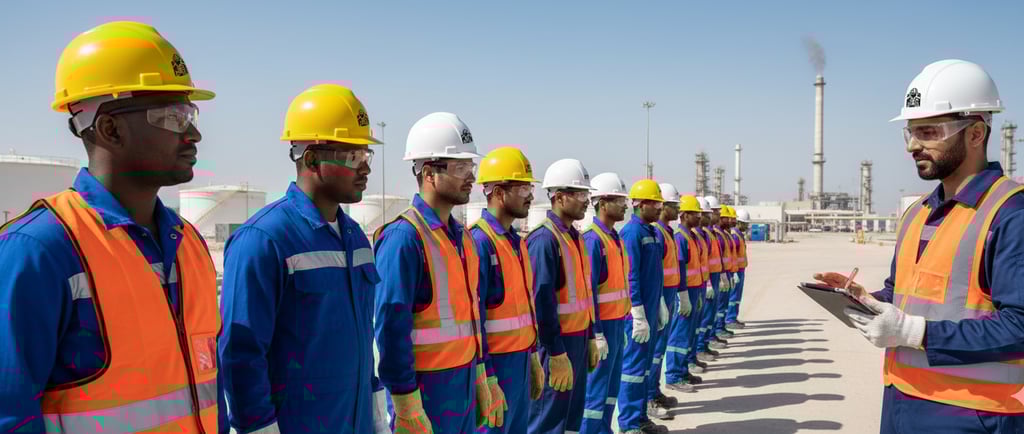
A Qatar safety supervisor inspecting workers wearing certified PPE on site.
Workplace safety in Qatar has rapidly evolved over the past decade. With continuous development in construction, oil and gas, manufacturing, and infrastructure, safety regulations have become stricter than ever. One of the most important aspects of workplace safety is compliance with PPE laws. Understanding the latest standards helps businesses protect workers while avoiding penalties. Today, personal protective equipment Qatar regulations are designed to match international safety requirements while addressing local environmental challenges.
This article explains the current PPE standards in Qatar, why they matter, and how businesses can stay compliant while improving worker safety.
Why PPE Regulations Are Important in Qatar
Qatar’s work environments often involve high temperatures, dusty conditions, heavy machinery, chemicals, and electrical systems. Without proper protection, workers face serious risks every day. Strong regulations ensure that employers provide the correct PPE Qatar products and create safer workplaces.
These rules aim to:
Reduce work-related injuries
Protect employee health
Maintain international safety standards
Improve productivity
Strengthen workplace accountability
Ignoring PPE rules not only puts workers in danger but also causes reputational and legal damage to businesses.
Key PPE Standards Followed in Qatar
Qatar aligns its workplace safety framework with internationally recognized standards to maintain consistency and reliability.
1. International Standards Used in Qatar
Most safety equipment Qatar products must meet recognized certifications such as:
OSHA (Occupational Safety and Health Administration) guidelines
EN standards (European Norms)
CE certification
ISO safety standards
ANSI standards for specific protective gear
These standards ensure that personal protective equipment Qatar companies use has been tested for performance, durability, and reliability.
2. National Safety Authorities and Enforcement Bodies
Qatar enforces workplace safety through several governmental and regulatory authorities. These bodies conduct inspections, enforce compliance, and issue penalties where necessary.
Key responsibilities include:
Site inspections
Hazard evaluations
Review of employer training programs
Verification of PPE quality and certification
Mandatory PPE Requirements in Qatar Workplaces
Different industries require different levels of PPE. However, most workplaces in Qatar must provide the following mandatory equipment:
1. Head Protection
OSHA-compliant safety helmets are mandatory on construction sites, industrial plants, and infrastructure projects.
2. Eye and Face Protection
Certified goggles and face shields are required in environments exposed to dust, debris, sparks, or chemicals.
3. Hand Protection
Cut-resistant, chemical-resistant, and heat-resistant gloves must be provided in relevant industries.
4. Foot Protection
Steel toe safety shoes and anti-slip boots are required in construction, warehousing, and heavy-duty industrial zones.
5. Respiratory Protection
Dust masks, respirators, and filter systems are compulsory in areas with chemical fumes, welding smoke, or heavy dust.
6. Hearing Protection
Earplugs and earmuffs are required in factories, workshops, and high-noise working zones.
When these rules are followed, personal protective equipment Qatar standards help build safer working environments.
How Businesses Can Stay Compliant with PPE Regulations in Qatar
Staying compliant requires more than just buying PPE. It involves proper training, documentation, and regular inspections.
Conduct Regular Risk Assessments
Before assigning PPE, employers must identify workplace hazards. This ensures that PPE Qatar products match actual risks.
Provide Certified Equipment
Only certified safety equipment Qatar products should be purchased from trusted suppliers.
Train Workers Properly
Employees must know:
How to wear PPE correctly
How to inspect PPE before use
How to store and maintain equipment
Maintain Documentation
Companies should keep records of:
PPE issuance
Training sessions
Inspection reports
Replacement schedules
Penalties for Non-Compliance in Qatar
Ignoring PPE regulations has serious consequences. Authorities can issue:
Heavy fines
Site shutdowns
Project delays
Legal actions
Damage to company reputation
Meeting personal protective equipment Qatar standards is not optional—it is legally required.
Impact of PPE Regulations on Workplace Productivity
Although some businesses see PPE compliance as an expense, it actually improves productivity. Proper PPE Qatar reduces injury-related downtime and increases employee confidence.
Workers feel more secure when using certified safety equipment Qatar, leading to smoother project execution.
Future Trends in PPE Regulations in Qatar
Qatar continues to upgrade its safety laws. Future trends may include:
Smarter PPE with built-in sensors
Real-time safety monitoring
Higher heat-resistance requirements
Increased sustainability standards
These improvements aim to make personal protective equipment Qatar even more effective in extreme environments.
Conclusion
Understanding the latest PPE standards and regulations in Qatar is essential for any business or worker. Following certified practices, using approved PPE Qatar, and maintaining compliance policies protects workers and strengthens corporate responsibility. Companies that prioritize safety equipment Qatar not only protect lives but also achieve long-term operational success.
By staying informed and proactive, businesses can build safer, stronger, and more compliant workplaces across Qatar.
Safety
Your trusted supplier of quality safety equipment.
Contact
Service
info@zakheerah.qa
© 2025. All rights reserved.
CR No: 194474