Get 20% off for Next 3 days...
What PPE Do Oil & Gas Workers Need in Qatar
Learn what PPE oil and gas workers need in Qatar. Discover essential safety gear, standards, and best practices to protect workers in hazardous environments.
12/6/20253 min read
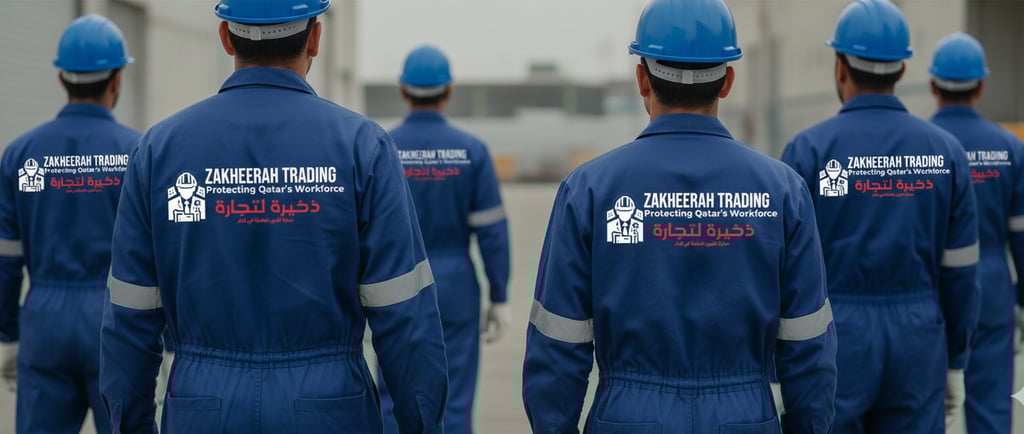

Oil and gas workers in Qatar wearing certified PPE on site.
The oil and gas industry in Qatar is one of the most advanced and high-risk sectors in the region. Workers in this field are exposed to fire hazards, explosive gases, toxic chemicals, heavy machinery, and extreme environmental conditions. For this reason, the use of personal protective equipment Qatar is strictly enforced in oil and gas operations. Proper PPE Qatar not only saves lives but also ensures operational efficiency and regulatory compliance.
Understanding the exact safety gear required helps companies protect their workforce and comply with national and international safety standards.
Why PPE Is Critical in Qatar’s Oil and Gas Industry
Oil and gas job sites operate in complex and hazardous conditions. Workers face risks such as:
Fire and flash explosions
Toxic gas leaks
Chemical exposure
Falling objects
Noise pollution
Heat stress
The use of certified safety equipment Qatar reduces accidents and minimizes health risks. Without appropriate protection, even small mistakes can result in serious injuries or fatal incidents in these environments.
Essential PPE for Oil and Gas Workers in Qatar
Each role in the oil and gas sector may require specialized protective gear. However, certain PPE items are mandatory across most operations.
1. Flame-Resistant (FR) Clothing
Flame-resistant coveralls are mandatory in oil and gas facilities. These garments are designed to:
Resist ignition
Reduce burn injuries
Self-extinguish when exposed to flames
FR clothing forms the foundation of personal protective equipment Qatar in this sector.
2. Safety Helmets with Impact Protection
Oil and gas workers must wear certified hard hats that protect against:
Falling tools
Structural impact
Electrical contact
These helmets are engineered to meet PPE Qatar safety standards in high-risk industrial zones.
3. Respiratory Protection Equipment
Workers may be exposed to toxic fumes, gases, and low-oxygen environments. For this reason, respiratory safety equipment Qatar is essential, including:
Full-face respirators
Breathing apparatus
Gas-filtering masks
These protect workers from serious respiratory and long-term health conditions.
4. Chemical-Resistant Gloves
Hands are exposed to oils, solvents, acids, and hazardous liquids. Workers must wear:
Nitrile gloves
Neoprene gloves
Chemical-resistant heavy-duty gloves
This form of PPE Qatar prevents skin burns, irritation, and long-term damage.
5. Safety Boots with Anti-Static Properties
Oil and gas sites require advanced footwear with:
Steel or composite toe protection
Slip-resistant soles
Oil-resistant materials
Anti-static technology
Foot protection is a critical part of personal protective equipment Qatar in flammable environments.
6. Eye and Face Protection
Flying debris, chemical splashes, and dust particles pose serious risks to vision. Workers must wear:
Safety goggles
Face shields
Impact-resistant glasses
This safety equipment Qatar prevents long-term eye injuries and facial damage.
7. Hearing Protection Devices
High-powered engines and drilling equipment create dangerous noise levels. Workers are required to use:
Industrial earplugs
Acoustic earmuffs
This protects against permanent hearing loss.
8. Fall Protection Systems
Oil and gas workers often perform duties at height on rigs, platforms, and structures. Required equipment includes:
Full-body harnesses
Shock-absorbing lanyards
Anchoring systems
Fall protection is a life-saving component of PPE Qatar.
PPE Standards Used in Qatar’s Oil and Gas Sector
Qatar follows strict international and regional standards to ensure equipment reliability. Most personal protective equipment Qatar products comply with:
OSHA standards
ISO certifications
EN safety regulations
CE marking requirements
Using compliant safety equipment Qatar ensures maximum protection and legal safety assurance.
How to Maintain PPE for Oil and Gas Workers in Qatar
Maintenance is critical to ensure equipment remains reliable.
Daily Inspection
Workers should inspect PPE before each shift to detect:
Cracks
Wear and tear
Broken seals
Damaged straps
Cleaning and Storage
PPE should be cleaned regularly and stored in dry, dust-free environments to extend its lifespan.
Timely Replacement
Damaged or expired equipment must be replaced immediately to maintain PPE Qatar safety standards.
Benefits of Using Proper PPE in Oil and Gas Worksites
When companies follow personal protective equipment Qatar guidelines, the benefits are long-term:
Reduced workplace accidents
Higher operational safety
Lower insurance and legal risks
Improved worker confidence
Compliance with international standards
Conclusion
The oil and gas industry in Qatar carries unique risks that demand the highest level of protection. Using certified PPE Qatar is not optional—it is essential. From flame-resistant clothing to respiratory and fall protection, every piece of safety equipment Qatar plays a vital role in protecting workers and ensuring operational success.
Companies that invest in reliable personal protective equipment Qatar create safer environments, stronger teams, and more sustainable industrial operations.
Safety
Your trusted supplier of quality safety equipment.
Contact
Service
info@zakheerah.qa
© 2025. All rights reserved.
CR No: 194474